


1. Early design and use of wrenches
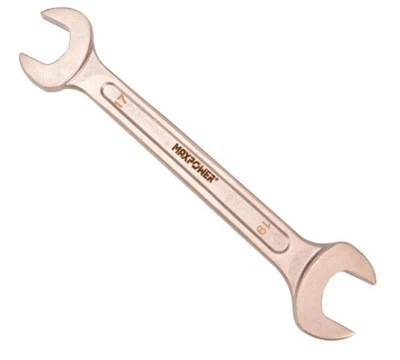
The origin of wrenches can be traced back to ancient times. The original design was very simple and was mainly used to disassemble wooden furniture and machinery. With the progress of the Industrial Revolution, the design and use of wrenches gradually changed. In the late 18th century, the rise of the British Industrial Revolution promoted the industrialization of wrenches. At first, it was handmade, and then gradually developed into mechanical manufacturing.
2. The standardization of wrenches and the emergence of patents
In the early 19th century, the United States vigorously developed the mechanical tool manufacturing industry, which promoted the development of the wrench industry. Wrenches can be standardized, precise, and mass-produced, thereby reducing costs and improving efficiency. At the end of the 19th century, the market competition for wrenches became increasingly fierce, and manufacturers began to use tool innovation as one of their strategies to gain market competition. In 1875, John Morris Stilleven invented the adjustable wrench, which was the first wrench patent. The patent visualized the variable distance between the heads of the wrench. The increase in specifications became a wider market need, and also promoted the improvement of wrenches.
3. Standardized design of modern wrenches
The design of modern wrenches has achieved a high degree of standardization. Different types of wrenches (such as manual wrenches, electric wrenches and pneumatic wrenches) have their own specific design standards. For example, the design standards of manual wrenches include the length, width, thickness, material, surface treatment, etc. of the wrench; the design standards of electric wrenches include motor power, speed, torque, battery capacity, charging time, etc.; the design standards of pneumatic wrenches include air pressure, air flow, speed, torque, etc.
4. The significance of standardized design of wrenches
The standardized design of wrenches helps to improve the quality and performance of products, reduce production costs, and improve production efficiency. It also helps consumers to more easily choose and use wrenches that suit them. In addition, standardized design can also promote the healthy development of the wrench industry and improve the competitiveness of the entire industry.
5. Future trends in standardized design of wrenches
With the continuous advancement of science and technology, the standardized design of wrenches will become more sophisticated and complex. For example, future wrenches may adopt more high-tech materials and manufacturing processes to improve their strength, durability and comfort; at the same time, the design of wrenches will also pay more attention to ergonomics to improve their comfort and efficiency. In addition, with the development of intelligent technology, wrenches in the future may become more intelligent. For example, the working status and performance of the wrench can be remotely controlled and monitored through a mobile phone APP.