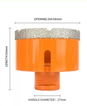



Functional hand tools are tools that are driven by hand, such as screwdrivers, hammers, pliers, wrenches, and pullers. They are generally smaller and lighter than power tools, making them easier to use for extended periods of time. However, hand tools can be slower and more labor intensive than power tools.

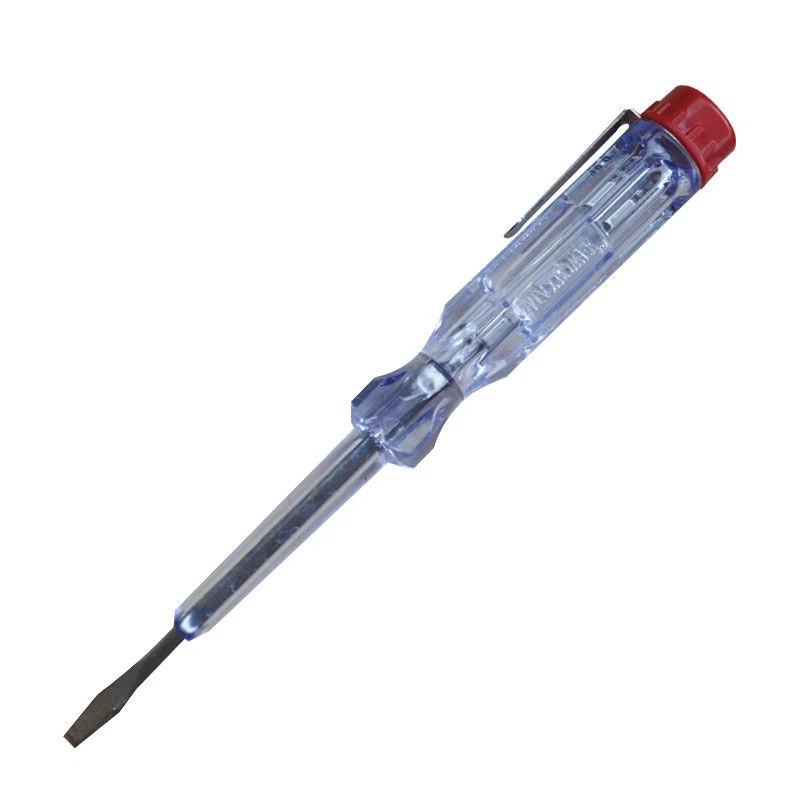


How to choose hand tools:
For ergonomic hand tools, it should be safe to operate with one hand. The center of gravity of the tool should be aligned with the holding hand so that it feels comfortable when held in the intended use position.
Ergonomic handles for hand tools should be padded and non-slip. Handles should be related to the size of the instrument, with smaller devices having smaller handles and larger tools having larger handles.
When choosing ergonomic tools, consider the grip diameter of single-handle tools such as hammers, nut drivers, wrenches, and screwdrivers. The larger diameter allows workers to hold these tools more comfortably and reduces stress on hands, wrists and fingers.
Single-handle tools should be between a quarter inch and two inches in diameter to help prevent the tool from slipping. Of course, sometimes the work needs to be more meticulous. If this is the case and a smaller tool is needed, use a one-handed tool with a quarter-inch to half-inch handle."
For two-handled tools, the grip span is more important. Tools such as scissors and cable cutters should have a closed grip span of no more than two inches and an open grip span of no more than three inches. Work involving small assemblies or parts should use tools with a closed grip of no less than one inch and an open grip of no more than three inches.
Tool weight has an overall impact on the ergonomics of the tool. The exact weight limit for hand tools varies depending on the job and how you hold it.
For tools that only require one hand, the weight of the device should ideally be no more than three pounds. However, power tools used away from the body or above shoulder height can weigh up to five pounds. Tools used in precision operations should weigh no more than one pound.
The weight of the tool should be evenly distributed for better and more comfortable grip. The center of gravity should be centered on the holding hand, causing less strain.
The role of hand tools in different industries
From construction to electronics, hand tools have cemented their place in every industry:
●Construction: Hand tools are the mainstay. Construction sites are littered with these items, whether they're hammers, screwdrivers or tape measures.
●Electronics Industry: Precision is key. Special tools such as wire strippers, soldering irons, and multimeters are essential.
●Automotive Industry: This industry relies heavily on tools such as wrenches, pliers, and jacks to build and repair vehicles.
●Carpentry: Here, saws, chisels and planes are essential for shaping and working the wood.
When choosing hand tools, quality is crucial and here's why:
●Durability: High-quality tools last longer and are a better investment in the long run.
●Safety: Poor quality tools can break or malfunction, posing risks to the user.
●Efficiency: Quality tools are generally more efficient, ensuring tasks are completed faster and more accurately.
●Reliability: For professionals, having reliable tools is crucial. Quality tools ensure consistent performance, ensuring the job is done right the first time.