




Industrial Hand Tools There are tools used in industrial projects that are powered by hand rather than electricity. Some examples of industrial hand tools include:
●Screwdriver: for tightening or loosening nuts, bolts and screws
●Wrench: used to tighten or loosen nuts and bolts
●Tape measure: for taking precise measurements
●Utility Knife: A versatile cutting tool that can be used to trim, strip, or cut materials
●Chisel: Used for shaping or cutting materials such as wood and metal
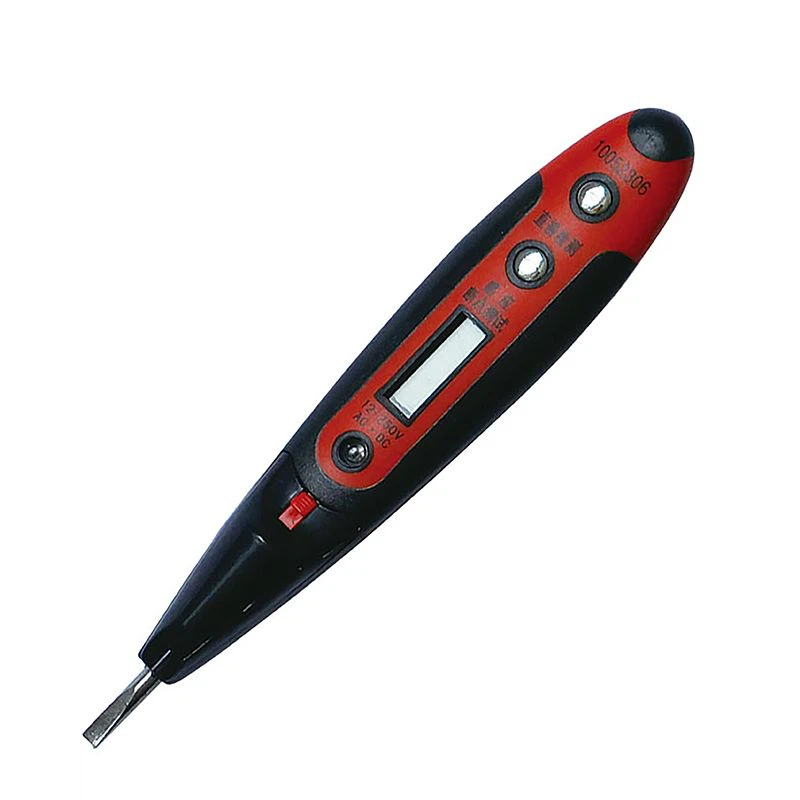


Other types of industrial hand tools include:
Hammer, pliers, saw, hand drill, tape measure, Allen or Allen key, clamps and files.
When choosing a hand tool, you can consider factors such as comfort, durability, and familiarity. Some workers make tools "fit their hands better" by sanding, sanding, shortening or lengthening the handle, adding grips, or changing handle size.
Hand tools are used manually to complete maintenance, repair and construction tasks. Wrenches clamp and turn pipes, fasteners, valves, and more. Screwdrivers, nut drivers, and keys tighten and loosen fasteners. The ratchet and drive tool turns the socket and socket bit. Pliers squeeze their jaws together to clamp or cut. Hammers strike objects and surfaces to drive fasteners, position parts, remove material, shape metal, and more. Punching tools and chisels are used to punch or cut holes, shape or remove material, and fit parts into place. The cutting surface of the file slides along the surface of the workpiece, smoothing and shaping the workpiece. Pry tools and pullers move, remove or position parts and materials. Scissors, shears, knives, and blades use their sharp edges to make more precise cuts than saws. Multi-tools combine multiple hand tools into one unit. A hand saw cuts material layer by layer with a toothed blade.
The importance of hand tools
Even from the perspective of user reviews, hand tools have many advantages over power tools. They are cost-effective, easy to use and require little maintenance. Additionally, hand tools do not rely on electricity or batteries, making them reliable even when there is no power source. They are also portable, making them ideal for use in remote or outdoor environments. Additionally, hand tools are accessible to people of all skill levels, so everyone can use them. Working with hand tools can bring a sense of satisfaction and pride because the results are often the product of a person's hard work and skill.
Hand tools are essential for any DIY project or repair job. They are cost-effective, easy to use and require little maintenance. Hand tools do not rely on electricity or batteries, which makes them reliable when there is no power source. Using hand tools brings a sense of satisfaction and pride, making them a valuable addition to any toolbox. The importance of hand tools cannot be overstated. They offer several advantages over power tools, such as portability, versatility, and affordability. Additionally, hand tools require less maintenance, are easier to operate, and can be used in areas where power tools are more practical.
Advantage:
DIY – The consumer hand tool market is driven by those who choose the DIY hobby, with a plethora of DIY TV shows, videos and blogs inspiring consumers to start DIYing their own.
Convenience – Hand tools are easy to purchase online and are usually easily stocked at most big box stores.
Affordable Prices – Private label brands are quite affordable at stores like Lowes and Home Depot, making it easier for consumers to justify purchasing or replacing their own tools.
Housing Market – A tight housing market and high interest rates make consumers more likely to purchase resale homes or avoid purchasing a home by upgrading from their current home.


