





Louver 60
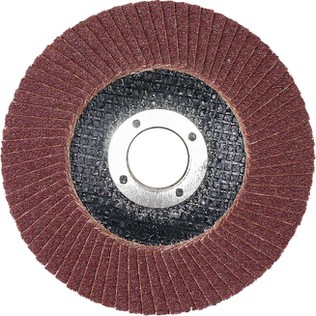
High industrial quality louver to help optimize and solve problems.
Item No:MP0544360
"Outside diameter: 5""
Aperture: 7/8""
Speed: 12200RPM
Number of items: 60"
louver
1. Core role and typical application scenarios
(1) Metal processing field
Derusting and peeling
Used for rust removal operations on metal surfaces such as steel components, pipes, and automobile chassis. The 120-mesh louver can quickly peel off the rust layer while retaining a certain degree of roughness (for subsequent painting or welding).
Remove the oxide scale (such as the molten layer on the flame cut edge of the steel plate) after cutting metal plates to make the surface smooth.
Weld treatment and burr polishing
Grind the residual height and slag of the welded weld to make the weld surface smooth transition (such as pressure vessels, steel structural weldments); remove stamping burrs of metal parts (such as edges of gears, sheet metal parts).
Rounding the edges and corners of metal workpieces to avoid scratches or stress concentrations (such as machining mechanical parts).
surface pretreatment
Prepare for surface treatment processes such as metal plating, spraying, and anodization to remove oil, rust and old coatings and enhance the adhesion of subsequent coatings.
(2) Wood and plastic processing
Rough processing and shaping polishing of wood
The substrate of solid wood furniture and wood floors is polished to quickly remove burrs, bark residues or milling traces on the wood surface, especially during the rough grinding stage of hardwoods (such as oak and walnut).
In woodworking DIY, the shape of wood carving blanks and wood lines is trimmed. The 120-mesh pattern can efficiently adjust the outline while avoiding excessive wear of wood fibers.
Surface treatment of plastic parts
Polish the burrs of plastic sheets and injection molded parts (such as automotive interiors, plastic shells), or remove flash edges during injection molding; roughen the plastic surface for subsequent painting or bonding.
(3) Automobile and machinery maintenance
Automotive sheet metal and paint treatment
After the automobile sheet metal is repaired, the putty layer is polished to make it smooth (120 mesh is suitable for initial leveling of the putty to avoid the low efficiency of detailed sandpaper); when removing the old paint surface, the paint layer can be quickly peeled off without damaging the metal substrate.
Polish the oxide layer or brake dust attached to the car wheel hub to restore the metallic luster (use with a protective agent to avoid excessive polishing).
Renovation of mechanical parts
Retreat the surfaces of old mechanical parts (such as gears and shafts) to remove burrs or rust caused by wear and tear, and prepare for secondary use or coating repair.
(4) Architectural and decoration scenes
Wall/ground foundation treatment
Polish hollow hollows and protrusions on concrete walls, cement residues, or level the base layer after old tiles are removed; initially polish the putty at the joints of gypsum boards to improve flatness.
Metal building materials processing
During decoration, the cut edges of stainless steel decorative strips and aluminum alloy door and window frames are polished to prevent scratches and improve aesthetics.
2. Key points of use
device matching
It must be installed on an angle grinder and vertical sander with matching speed (12200RPM is a high speed, so equipment stability needs to be ensured to avoid a decrease in polishing efficiency or overload due to insufficient speed).
The nuts need to be tightened during installation to ensure that the louvers are concentric with the shaft to avoid safety hazards or uneven polishing caused by shaking during high-speed rotation.
safety protection
Wear protective glasses and dust masks when working. High-speed polishing will produce metal/wood dust; it is recommended to wear non-slip gloves to prevent equipment from shaking and leaving hands.
Applicable material limitations
It is not recommended to use it on brittle materials such as glass and marble (which are easy to crack), or soft metals such as aluminum and copper (which are easy to block abrasives); special louvers (such as alumina abrasive) need to be replaced when polishing soft metals.
3. Advantages compared with similar products
Balance of efficiency and precision: 120 mesh has more delicate polishing marks than coarse mesh numbers (such as 40-60 mesh) and higher efficiency than fine mesh numbers (such as 240 mesh). It is suitable for the scene of "rapid rough grinding + basic leveling".
Durability: The louver is made of multiple layers of emery cloth folded. After wearing, the outer emery cloth falls off, and the inner layer can still be used. It has a longer life than ordinary sandpaper and is especially suitable for batch processing.
Our Service
One-stop tool solutions- OEM Business and Our Own Brand development Basing on more than 54-year professional production and sales experience, expertise and commitment in delivering professional quality service to world-wide customer base, Maxpower is your reliable partner always!
Skilled Sales Team and Expert Team
Maxpower skilled sales team has undergone Industrial's technical training and business experience. We will definitely provide professional service to respond customers' demands.
Expert Team, Technical Support
We have established two teams of production and engineering technology to coordinate all resources to achieve enterprise innovation and build a smart manufacturing factory. Our vision is to grow with end customers, achieve long-term operations, create one-stop tool solutions for customers, and create new value-added highlights for customers in accordance with lean thinking.
Previous
Louver 80Next
Louver 120You Might Also Like




Send Inquiry